
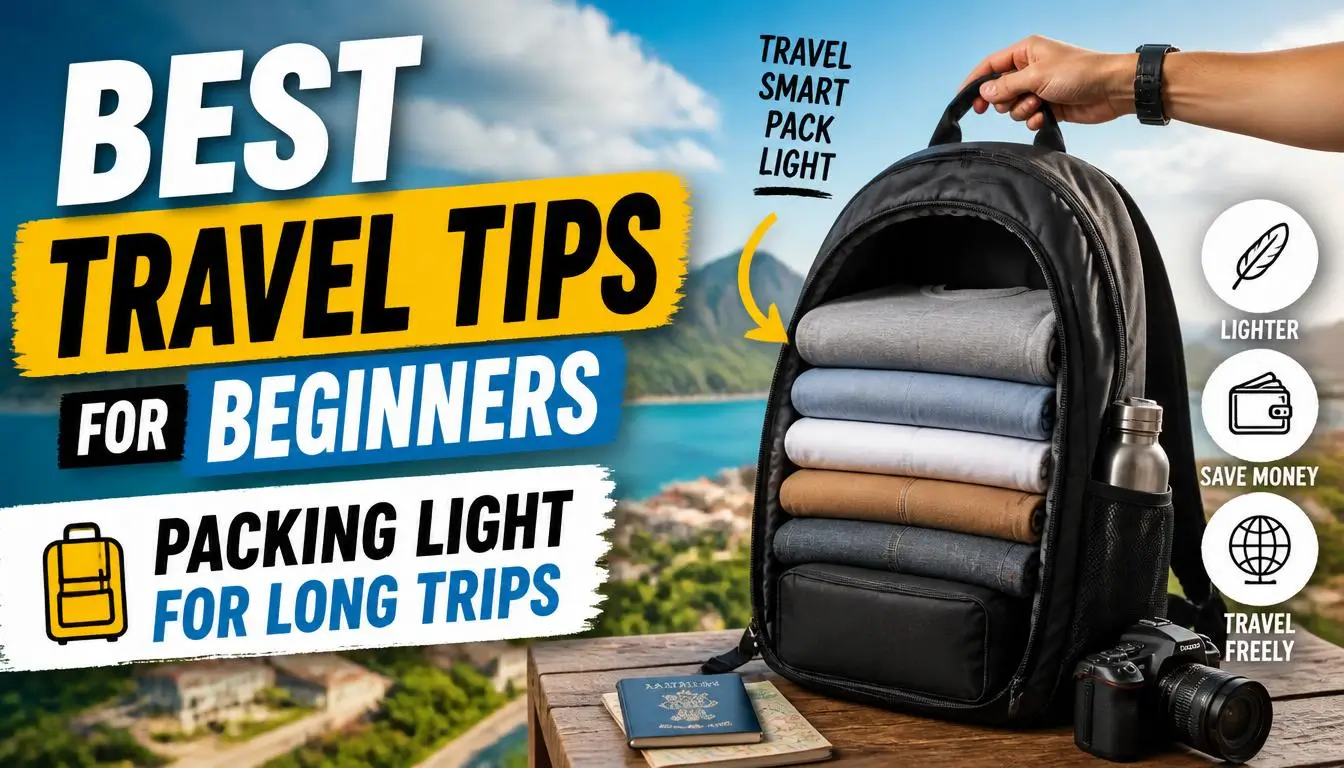
I remember checking in for my first big trip. The airline slapped me with an overweight bag fee right there at the counter. Fast forward three weeks. I had worn exactly half the clothes I lugged across the ocean. The rest just sat folded in my suitcase. They mocked me every time I dragged that heavy monstrosity up another narrow hostel staircase. That brutal reality check taught me how to actually pack. Learning to travel light feels weird at first. Then you get home and realize it is the only way to go.
1. Start With the Right Bag
Your luggage choice dictates everything. A small bag forces you to make tough choices. A giant checked suitcase lets you cheat. You end up stuffing extra shirts inside just because you have empty space.
People swear by the Osprey Farpoint 40 and the Tortuga Setout 45. Both meet standard airline carry-on limits. They sit comfortably on your shoulders. The compartments actually make sense for grabbing things quickly. If you hate backpacks, look at brands like Away or Monos for wheels. The real trick is buying the small bag first. Let the physical space dictate your packing list. Do not lay out a massive pile of clothes on your bed and then buy a suitcase to fit it.
2. Build a Capsule Wardrobe, Not a Full Closet
Stop packing specific outfits for every single day. Seven distinct shirts for a week sounds logical on paper. It falls apart in practice. Try packing three shirts and two pairs of pants instead. If they all match, you suddenly have six different combinations. You just saved half your suitcase space.
Stick to neutral colors like navy or black. Throw in some white or olive green. They all blend easily. That takes the stress out of getting dressed at six in the morning to catch a train. Merino wool is the holy grail for frequent flyers. It regulates your body heat. It also fights off bad odors. You can wear a merino tee for days on end. Nobody will notice. Brands like Icebreaker, Smartwool, and Uniqlo make solid shirts at different price points. Test it out at home and you will become a believer.
3. Follow the 1-2-3 Rule for Clothing
I use a very specific formula for any long trip. The destination does not matter. You pack one extra pair of shoes. Bring two bottoms. Toss in three tops. That gives you a rock-solid foundation. Everything else needs a great reason to go in the bag.
Your extra shoes should pull double duty. Find something you can walk miles in during the day and wear out to dinner that night. Allbirds Wool Runners and Blundstone boots hit that sweet spot perfectly. They look casual but clean. For your two bottoms, bring one pair of jeans and one alternative like a skirt or light travel pants. Add your three tops to the mix. Now you have plenty of options without the heavy bulk. Only add specific gear if you have a wedding or plan to face freezing temperatures.
4. Rethink Shoes Completely
Footwear ruins most packing strategies. Shoes take up massive amounts of space. They weigh a ton. People often pack three pairs when they really only need one.
Always wear your heaviest shoes on the airplane. It frees up a huge chunk of space in your luggage immediately. Your worn shoes do not count against your carry-on weight limit. Be brutally honest about your daily plans. You will probably walk around the city. You might eat at a nice restaurant. One versatile walking shoe paired with flat sandals will cover almost every situation. If you plan to hike a mountain, wear those heavy boots on the plane. Pack the flip-flops in your bag.
5. Cut Your Toiletries in Half, Then Cut Again
Bathroom products are the silent killers of light packing. Giant shampoo bottles and thick face creams add literal pounds to your load. You end up dragging that weight across the world.
Stop looking for better packing cubes for your massive liquid collection. Just bring fewer liquids. Switch to solid products. Grab a shampoo bar. Find some solid sunscreen. Standard bar soap works fine too. These items weigh next to nothing and breeze right through airport security. Lush and HiBar make solid hair products that outlast liquid bottles. Find a daily moisturizer that already has SPF mixed in. Decant your absolute essentials into tiny silicone tubes from Humangear. Keep in mind that hotels provide soap anyway.
6. Use Packing Cubes the Right Way
Packing cubes are brilliant when used correctly. Most beginners just use them to cram more stuff into their bags. The real goal is organization. You want to find clean socks without dumping your entire bag on a hotel bed.
Pick out your clothes first. Then put them into the cubes. Do not just blindly stuff a cube until it bursts. Eagle Creek and Peak Design make incredibly durable options. Grab compression cubes for thick items like fleece jackets. They feature a second zipper that squeezes out the trapped air. I usually stick to three cubes. One holds tops. The second handles pants. The third catches all the random loose items. This system lets me find anything in ten seconds flat.
7. Master the One Week Rule for Any Trip Length
Here is the secret to packing for a long trip. You do not pack more clothes. You pack for seven days and then you wash them. A month-long trip takes the exact same amount of luggage as a short vacation. Washing machines exist everywhere.
Almost every hotel offers a laundry service. Hostels usually have coin machines in the basement. You can find a local laundromat on any block. You can also buy Scrubba wash bags for manual washing. It acts as a tiny washing machine right in your hotel sink. You can hand-wash those merino wool shirts with regular soap and hang them up. They dry in a few hours. Scheduling a laundry day forces you to slow down. It gives you a quiet morning to just drink coffee and relax.
8. Apply the Hanger Test Before You Pack
The hanger test stops you from making bad decisions. It completely prevents you from bringing clothes you never actually wear.
Pull out your possible travel outfits a few days before your flight. Lay them out on a chair. Look at that pile every single morning. Pull out anything you would not happily wear to work or dinner that exact day. If you hesitate, take it out of the pile. The “just in case” mentality destroys light packing. Just in case it snows. Just in case I get invited to a fancy party. Those imaginary events never happen. Those clothes just sit in your bag and weigh you down.
9. Go Digital Where You Possibly Can
Paper takes up precious space. Digital tools weigh nothing. Holding onto physical tickets is a choice.
Physical guidebooks are heavy. They often feature outdated information before they even hit store shelves. Use apps like Lonely Planet for reading. AllTrails works great for hikes. You already know Google Maps. Buy a data plan through Airalo before you land. Download your maps on hotel Wi-Fi before you head out for the day. Load up an e-reader with books. It holds thousands of stories but weighs less than a magazine. Save your flight tickets and hotel receipts to your phone. Keep one physical copy of your passport hidden away just for peace of mind.
10. Repack on Day Two of Every Trip
Veteran travelers use the day-two repack to fix their mistakes. Beginners rarely think to do this. Dump your entire bag out after your first full day on the road. Look at what you actually used. See what is just taking up space. Pack it all back up with intention.
This forces you to figure out what is actually useful. If a jacket never left the suitcase on day one, you probably do not need it. Think about ditching it. Go to a local charity shop and donate it. Head to a post office and mail it back home. Post offices and local charity shops are everywhere. Spending a few dollars to ship a heavy sweater home is completely worth the relief. Repacking also gets your bag organized again after the chaos of arrival day.
How to Handle Weather Variability Without Overpacking
People overpack because they are scared of bad weather. Preparing for every single temperature drop results in a massive suitcase. You still end up missing the right jacket anyway.
Mastering layers fixes this problem. Wear a light base shirt. Put a thin fleece over that. Add a rain shell on top. That combo keeps you warm in freezing wind. It also packs down to the size of a water bottle. Uniqlo’s Ultra Light Down jacket stuffs right into its own pocket. It weighs almost nothing and costs under ninety bucks. If you are going somewhere warm, just pack one light sweater for cold nights. Check the actual weather data for your specific dates. Stop packing for imaginary blizzards.
The Final Bag Check That Saves You Every Time
Pick up your fully packed bag the night before your flight. Walk around your living room for five straight minutes. If your shoulders hurt in your own house, you are in trouble. That bag will feel like actual torture on uneven cobblestones or tight train aisles. Take things out until it feels easy to carry. You will be so grateful when you hit that first giant staircase at your hotel.
Frequently Asked Questions
What are the best travel tips for beginners packing light for trips longer than two weeks?
Just pack for a single week. Plan to wash your clothes. Buy merino wool shirts to cut down on laundry days. Find a cheap local laundromat halfway through your trip. It keeps your bag light and gives you a nice break from sightseeing.
How do I pack light for a trip that involves multiple climates?
Use layers instead of packing different outfits for different cities. A good base shirt under a light fleece works wonders. Throw a rain shell over the top for freezing days. Stick to neutral shirts that work in any city. You keep your item count low while staying comfortable.
Is a 40-liter backpack genuinely enough for a long trip?
Yes. It holds plenty of clothes for a week. You have room for small toiletries and a thin jacket. The small space forces you to be smart. Once you travel with a small bag, you will never want a giant rolling suitcase again.
What should I do if I realize mid-trip that I packed too much?
Box up the heavy stuff and mail it home. The postage cost is completely worth the freedom. You can also donate shirts to a local thrift shop. Some backpackers intentionally pack old clothes so they can throw them away as they travel.
How do I pack light without feeling underprepared for unexpected situations?
Know the difference between an emergency and a minor inconvenience. Pack your meds and your passport. Forget the extra formal dress and the giant shampoo bottles. You can buy a toothbrush or a cheap umbrella anywhere on earth. Keep some emergency cash hidden away instead of hoarding useless items.
Ready to Fly?
Packing light feels like a huge sacrifice at first. Then you get off the plane and realize it is basically a superpower. Moving through a crowded train station with just a small backpack is true freedom. A massive rolling suitcase will never give you that feeling. What is the one thing you always pack and never actually wear?